








.....Advertisement.....

Frost brings danger: Prussic acid poisoning

-A A +A
By Rick Greenwell

As we move into October the likelihood of frost increases. The best way to prevent losses from Prussic Acid is to be aware and plan ahead. The following information will help to be aware and prepared.

The primary cause of hydrocyanic (prussic) acid poisoning in domestic animals is the ingestion of plants containing this potent toxin. Cyanide-producing compounds (cyanogenic glucosides) occurring in living plant cells are converted to prussic acid when cells are crushed or otherwise ruptured.

The prussic acid potential of plants is affected by species and variety, weather, soil fertility and stage of plant growth. Plants of the sorghum group and leaves of wild cherry trees have a potential for producing toxic levels of prussic acid. There are wide differences among varieties. Some of the sudangrasses are low in prussic acid. Pearl millet is apparently free of prussic acid in toxic amounts.

Cause: Prussic acid is one of the most potent toxins in nature. As ruminants consume plant materials containing cyanide-producing compounds, prussic acid is liberated in the rumen, absorbed into the bloodstream and carried to body tissues where it interferes with oxygen utilization. If toxin is absorbed rapidly enough, the animal soon dies from respiratory paralysis.

Symptoms: When lethal amounts are consumed, dead animals may be found without visible symptoms of poisoning. Symptoms from smaller amounts include labored breathing, irregular pulse, frothing at the mouth and staggering.

Prevention: Forage species and varieties may be selected for low prussic acid potential. The risk from potentially dangerous forages may be reduced by following certain management practices:

1. Graze sorghum or sorghum cross plants only when they are at least 15 inches tall.

2. Do not graze plants during and shortly after drought periods when growth is severely reduced.

3. Do not graze wilted plants or plants with young tillers.

4. Do not graze for two weeks after a non-killing frost.

5. Do not graze after a killing frost until plant materials is dry (the toxin is usually dissipated within 48 hours).

6. Do not graze at night when frost is likely

7. Delay feeding silage six to eight weeks following ensiling.

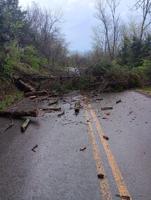
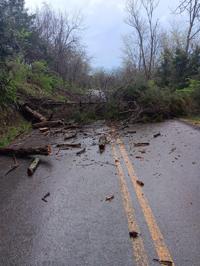
8. Do not allow access to wild cherry leaves whether they are wilted or not. After storms, always check pastures for fallen limbs.

When in doubt, don’t graze.

Grazing Crop Residues:

Many Kentucky farmers can take advantage of various crop residues which are left in the field following grazing crop harvest. These residues provide a low cost source of winter feed for beef cattle.

Permitting animals to graze corn stalks is the most common way of harvesting since it is usually the cheapest and requires less labor and equipment inputs. Whole field grazing limits the degree of utilization, as animals waste a large amount of the residues available through selective grazing, trampling and over consumption. Restricted grazing through the use of a temporary electric fence will result in more complete utilization. Allowing animal’s access to only a portion of the field through the use of an electric fence will force animals to utilize a larger amount of the dry matter, thus wasting less.

Another grazing technique which can be used effectively is to allow these animals with the higher nutrient demands (such as young growing animals) to have first access to a stalk field. Follow them with dry cows. This system allows the better quality materials to be selected by the first grazers and forces the lower nutrient requiring dry cows to clean up the remains. CAUTION: (1) There has been cases where two much grain left in the field resulted in animals over-eating and foundering. (2) Prussic acid poisoning has been reported when grazing fields that were infested with johnsongrass. This problem is greatest during the early frost period.

The Springfield Sun is your source for local news, sports, events and information in Springfield, KY, and the surrounding area.